
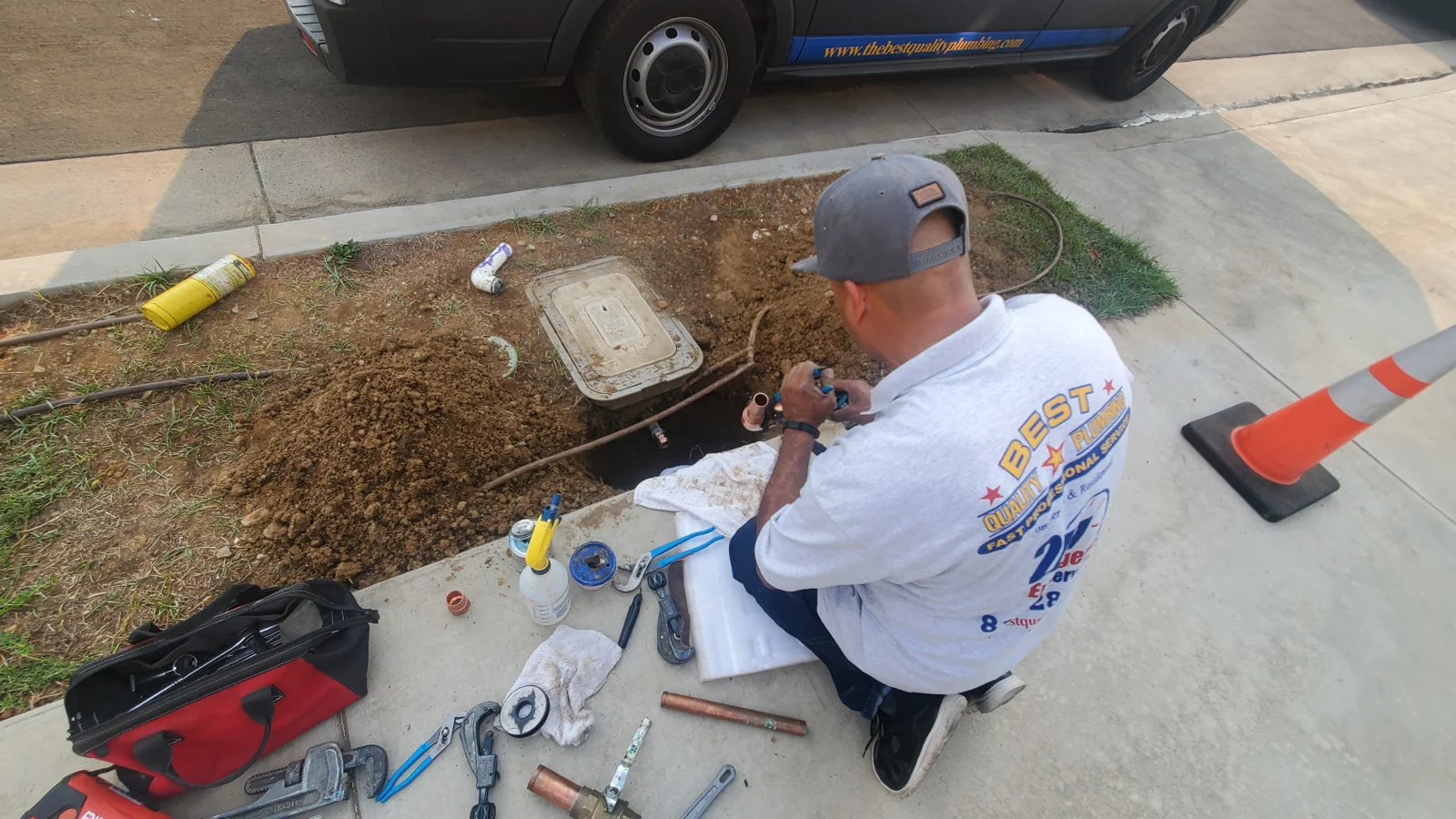
Leak detection works best when the technician can connect symptoms to a water-use pattern and reach the relevant plumbing. A few minutes of preparation can reduce guesswork without requiring you to expose a pipe yourself.
FIELD NOTE
Build A Short History
Write down when the first stain, odor, sound, or bill increase appeared. Include whether it changes after showers, appliance cycles, irrigation, or rain. Take photos of the same area over time. Note prior plumbing repairs and whether any fixture or water-using appliance was recently installed.
If you performed a no-use meter check, bring the readings and times. If the leak is intermittent, record the last time it appeared. These details help the plumber decide where to begin, but they do not replace onsite testing.
FIELD NOTE
Provide Safe Access
Clear ordinary stored items from under sinks, around the heater, and near visible wet areas. Identify accessible shutoff valves and the meter location if you know them. Do not move heavy appliances, enter a crawlspace, open a wall, or handle electrical equipment to prepare for the visit.
Tell the technician about pets, locked rooms, and any flooring or cabinets that have already been damaged. If the property has multiple units or separate irrigation, explain which areas and meters serve the affected space.
FIELD NOTE
Understand What The Finding Covers
Ask which lines and areas were tested, what evidence points to the suspected source, and whether more access is needed before repair. Moisture instruments, pressure checks, and other methods have limits; a hidden leak may still require a controlled opening to confirm and fix it. Request photos or a concise written summary of findings when possible.
Discuss the repair scope and who handles drying or finish restoration if those tasks are needed. If active water appears during the visit, follow the technician guidance on shutoff and next steps. A useful appointment ends with a clear distinction between what was confirmed and what remains uncertain.
Need Help With
Leak Detection?
If this sounds like the problem you’re having, read about our leak detection service or tell us what’s happening.
For urgent help, call (818) 282-5846