
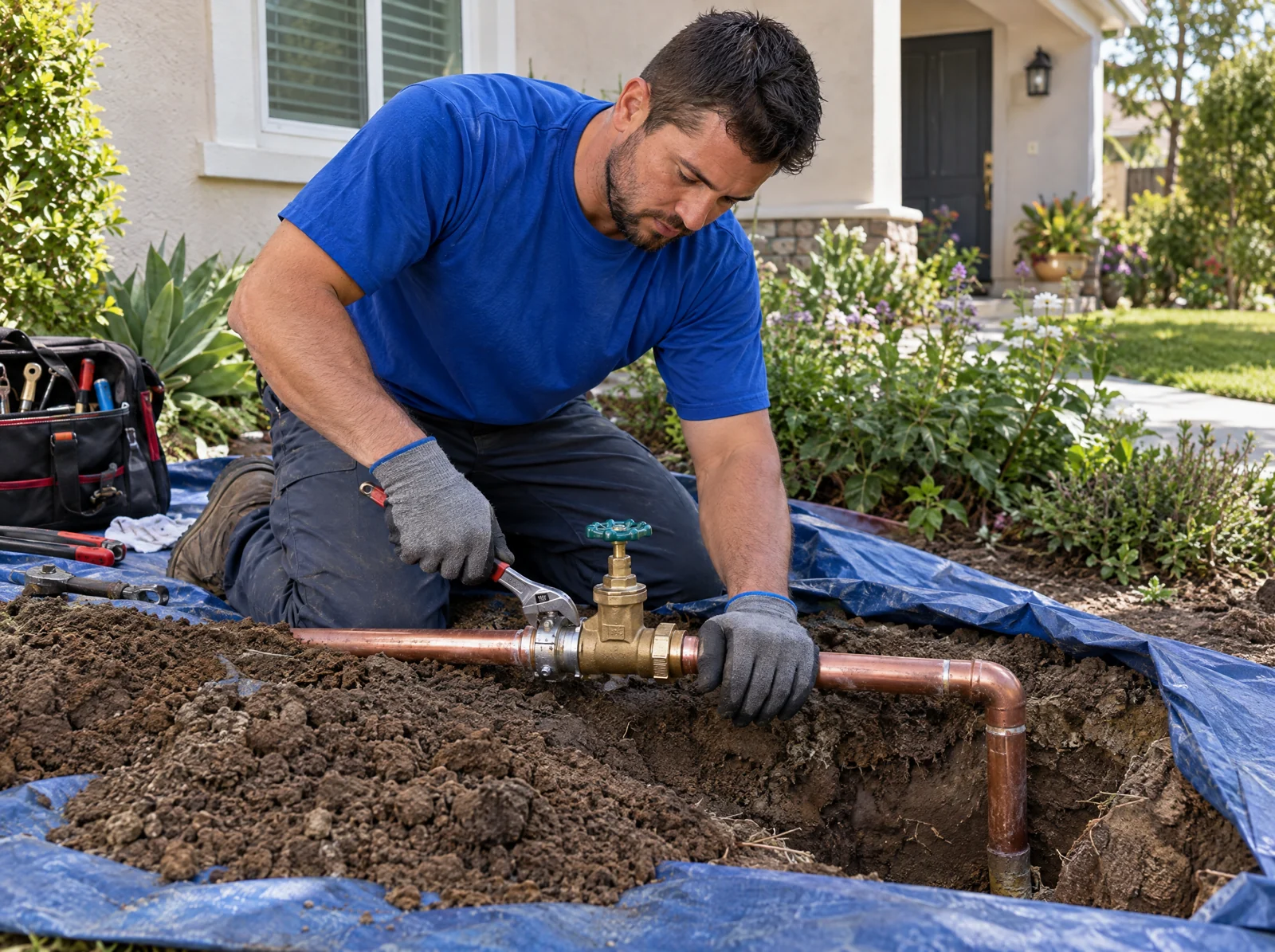
A higher bill deserves attention, but it does not locate a leak. Seasonal watering, guests, billing periods, toilets, irrigation, and buried supply lines can all change consumption. A few safe checks can give a plumber or water utility a clearer starting point.
FIELD NOTE
Compare Similar Periods
Look at the volume used, not only the amount charged. Compare the same season in a prior year if bills are available, and note any new watering schedule, appliance, or occupancy change. A rate change can raise the cost even when water use stays similar.
Walk through accessible fixtures and outdoor taps for drips, running toilets, or damp connections. Do not take apart electrical appliances or open buried utility equipment. Record anything you see rather than trying to assign the leak location from the bill alone.
FIELD NOTE
Use The Meter As A Clue
When no one is using water, note the meter reading if it can be viewed safely. Check again after a quiet period. A change suggests water is moving somewhere, but it does not distinguish a toilet, irrigation leak, or underground supply leak by itself.
Some utilities offer leak alerts or can help explain meter data. Contact yours if the reading, meter access, or billing period is unclear. Keep the readings and times to share with the plumber.
FIELD NOTE
Decide When To Call
Call if the meter suggests ongoing use you cannot explain, an outdoor area stays wet, or flow throughout the building has changed. Report whether irrigation was operating and whether you found any visible fixture leak. That context helps focus the assessment.
If water is actively damaging the property, use a known shutoff only when safe and seek prompt service. Do not delay an active leak while collecting several days of meter readings.
Need Help With
Water Main Services?
If this sounds like the problem you’re having, read about our water main services service or tell us what’s happening.
For urgent help, call (818) 282-5846